
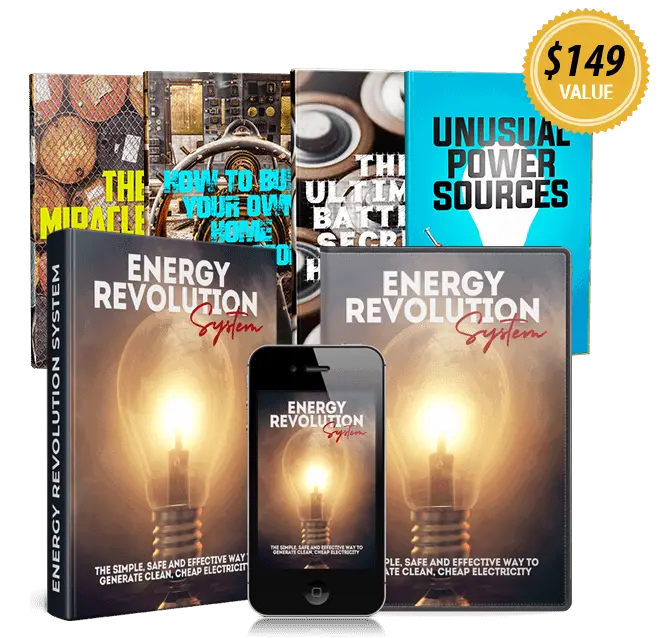
The Energy Revolution System is a digital DIY guide (not a physical product) that provides step-by-step instructions, blueprints, and tutorials for building a small-scale homemade generator. It draws inspiration from Nikola Tesla’s 1894 bifilar pancake coil patent, using simple materials like wires, magnets, and coils (available at hardware stores) to supposedly generate usable electricity through electromagnetic principles. The marketing claims it can significantly reduce electricity bills (often advertised as 50-80% savings), provide supplemental or off-grid power for household needs, and serve as an affordable alternative to solar panels or traditional generators, with build costs under $200.
Many reviews appear online, primarily from affiliate-style sites, YouTube videos, Medium articles, and blogs dated 2025-2026. These often describe it as a legitimate guide with clear instructions and real (though modest) results when built correctly.
Common positive points from reviews:
- Easy-to-follow instructions, even for beginners.
- Affordable and educational (great for learning about electromagnetism and DIY power).
- Some users report noticeable bill reductions (e.g., 40-65% in anecdotal tests after weeks/months), especially for small loads, charging devices, or reducing peak grid usage.
- Useful as a backup during outages or for supplemental power.
- Often comes with a money-back guarantee.
However, realistic assessments (including more balanced ones) note:
- It produces modest, low-voltage output suitable for small devices (e.g., lights, phones, fans), not for powering an entire home, heavy appliances like AC units or refrigerators, or achieving full energy independence as some hype suggests.
- Savings are supplemental rather than transformative—expect modest rather than dramatic bill cuts.
- Marketing often uses exaggerated claims (e.g., “free energy” or massive savings), which leads to disappointment if expectations are too high.
- It’s not “perpetual motion” or over-unity (which would violate physics laws like conservation of energy); any energy comes from the input/setup.
Leave a Reply